Compare the cost of achieving the target shade
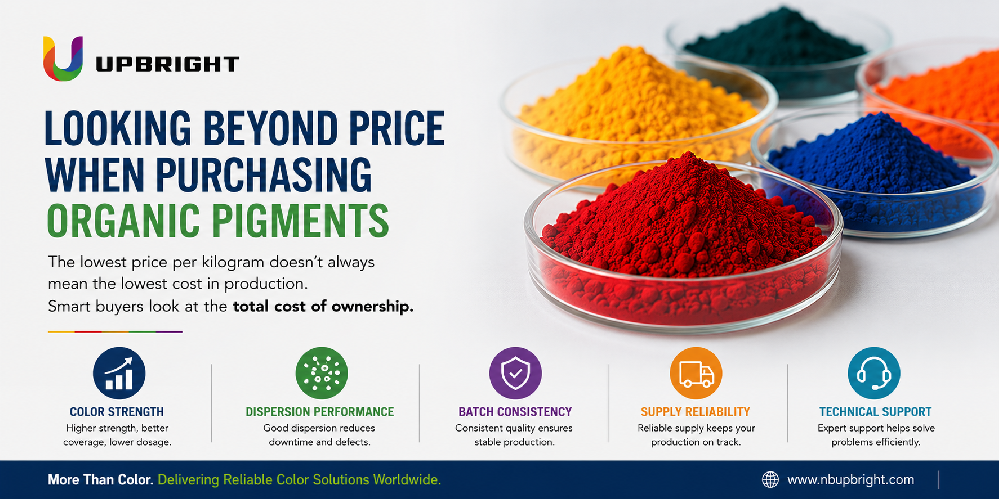
A lower price per kilogram does not necessarily result in a lower finished-product cost. Two grades with the same Color Index designation may require different loading levels to reach the same shade and color strength.
Useful comparisons start with an agreed reference sample, the intended substrate, the required pigment dosage and a repeatable color-measurement procedure.
Include production losses and consistency
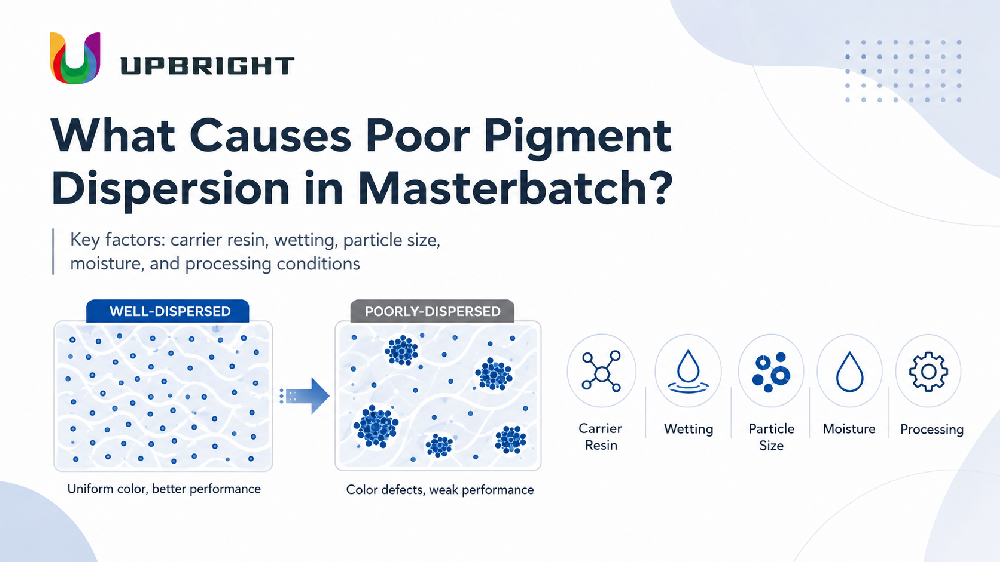
Poor dispersion can increase filter changes, scrap, cleaning time and rejected product. In coating or ink systems, inadequate grinding performance may also extend production time or reduce final appearance.
Batch-to-batch shade consistency matters when production runs must match approved standards. A current technical data sheet and batch certificate support a more meaningful supplier comparison.
Assess the supply and service relationship
Lead time, packaging, documentation and responsiveness influence the total purchasing result. For export orders, market-specific compliance requirements should be confirmed for the actual product grade rather than assumed from a generic product name.
The better purchasing question is the cost of delivering an approved, repeatable color in the customer's own process.