Match the colorant to the polymer
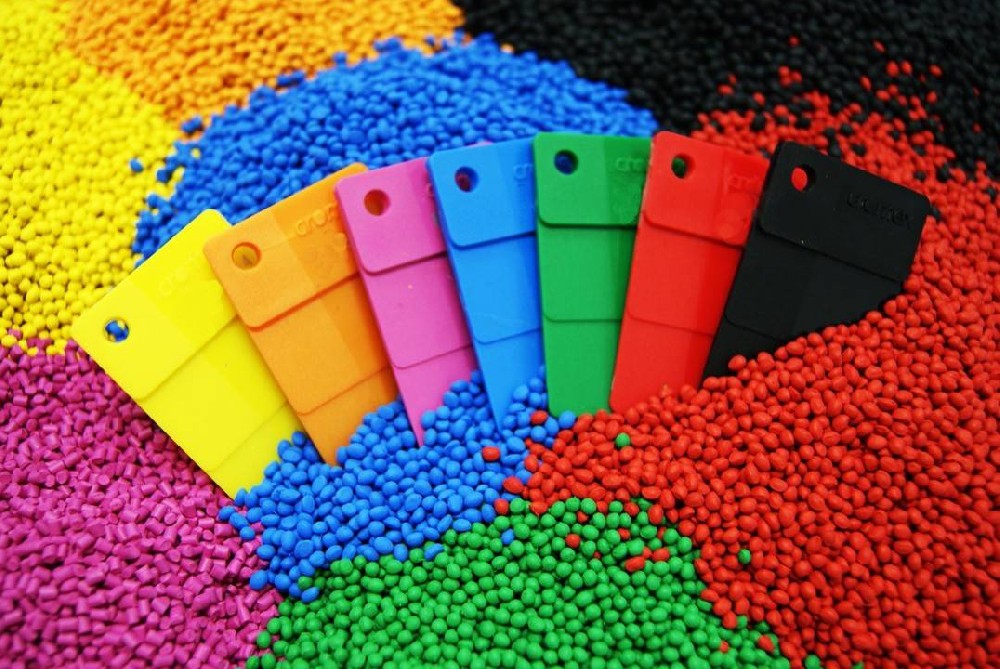
A pigment or solvent dye cannot be selected by shade alone. Polyethylene, polypropylene, PVC, ABS, PET and PMMA differ in processing temperature, polarity, transparency and sensitivity to migration.
An organic pigment grade that performs well in a polyolefin masterbatch may require a different evaluation before use in engineering plastics or transparent polymer applications.
Consider processing temperature and exposure
Heat resistance depends on the test method, polymer, pigment concentration and residence time. Light fastness and outdoor durability become more important for products exposed to sunlight or demanding service conditions.
Where the final product has specific food-contact, packaging or market requirements, documentation should be reviewed for the exact supplied grade and intended use.
Verify dispersion in the intended manufacturing route
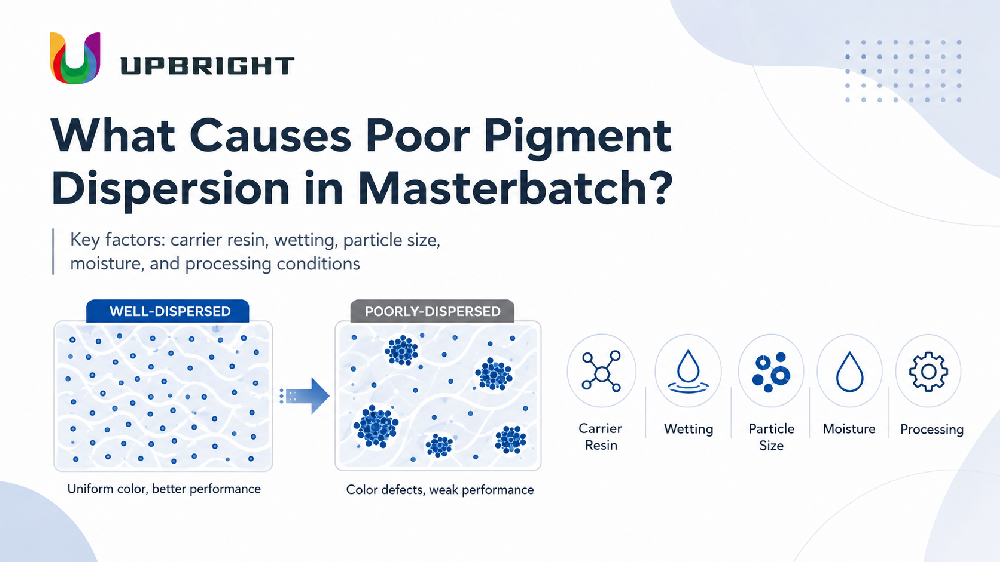
Injection molding, blown film, extrusion and fiber spinning place different demands on dispersion and filtration. Masterbatch trials, molded plaques and filter pressure value testing help identify application-specific risks.
Transparent plastics can require a different balance between clarity, shade strength and migration performance, especially when evaluating solvent dyes.